
Athens with Kids (and on Rainy Days): What Actually Works
Most Athens attractions are stone floors and 'don't touch'. These are the ones that hold children's attention — and the best options when the weather turns.
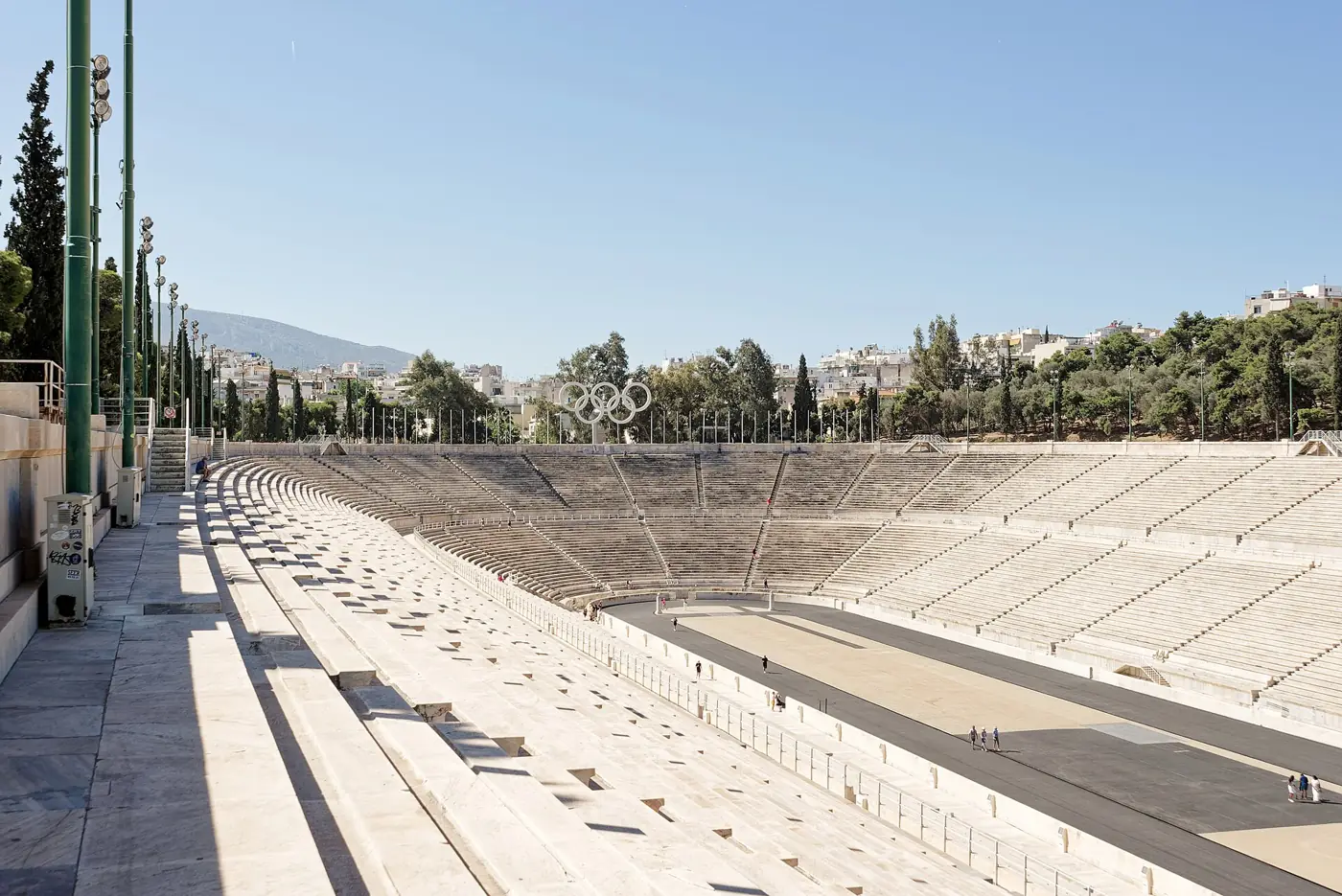
Photo: Jakub Hałun, CC BY 4.0
Athens with Kids (and on Rainy Days): What Actually Works
The standard Athens itinerary — Acropolis, museum, repeat — is genuinely hard for under-12s. Not because it's not extraordinary, but because "don't touch anything" is a difficult instruction to sustain across a full day of ancient marble. The options below are either interactive by design, or classical sites that have enough physical scale and narrative drama to hold attention without requiring prior knowledge.
Museum of Illusions Athens
The most straightforwardly entertaining option in the city. Three floors of optical illusions, infinity rooms, holograms, and spatial puzzles in a building near Monastiraki Square. The exhibits are designed to be entered and photographed — visitors become part of the illusions rather than observing them from behind a rope.
Practical: €13/person, skip-the-line tickets available through Tiqets. About 90 minutes to do properly, longer if children start reinventing each room. Open daily. Located at Normanou 3, a five-minute walk from Monastiraki Square.
Good for: Ages 5 and up with enthusiasm; ages 10–16 who are camera-motivated; adults too — the illusions work on everyone.
Rainy day rating: ★★★★★ — fully indoors, climate controlled, no archaeology required.
Panathenaic Stadium (Kallimarmaro)
The only stadium in the world built entirely from marble, and the site of the first modern Olympic Games in 1896. Children can run a lap of the actual track, sit in the original stone seats, and handle replicas of Olympic torches. The combination of "we're inside a real stadium" and "you can run here" makes it significantly more engaging than a conventional museum.
The Olympic museum inside the stadium is small and well-curated for younger visitors: torches, medals, and footage from every modern Games. The stadium is also used for the Athens Classic Marathon finish line each November.
Practical: €10/adults, €5/children. Allow 1–1.5 hours. Metro to Akropoli (Line 2) or Evangelismos (Line 3); ten-minute walk from either.
Acropolis — What Works for Children
The Acropolis is not naturally child-friendly (steep, crowded, hot, long queues). It is worth attempting with children over 7 if framed correctly. The elements that tend to hold attention:
- The scale of the Parthenon columns — each drum is 1.9 metres in diameter. Stand children next to one.
- The Erechtheion Caryatids — human figures used as architectural columns. "They're holding up the building with their heads."
- The view — children who are bored by the ruins are often not bored by looking down at the city from the top of the rock.
- The Nike Temple — small, complete, and at a human scale that the Parthenon is not.
Book the Acropolis guided tour with skip-the-line tickets (4.6★, 278 reviews) to skip the ticket queue entirely. A guide makes the mythology accessible — children who know Percy Jackson already know most of the cast of characters.
Go early (8am) to avoid the worst crowds and heat. Bring water and sunscreen.
National Archaeological Museum — The Highlights Route
The full National Archaeological Museum is too much for children (or most adults). The highlights route takes 90 minutes and covers the five objects that children tend to find genuinely extraordinary:
- Mask of Agamemnon — a gold burial mask of a Mycenaean king, 1550 BC. "It's a face made of gold."
- Antikythera Mechanism — the world's first analogue computer, recovered from a Roman-era shipwreck. Gears and dials that calculated astronomical positions circa 100 BC.
- Jockey of Artemision — a bronze boy riding a full-gallop horse, caught mid-stride, pulled from the sea in 1928. The energy in the casting is extraordinary.
- Artemision Bronze — 2-metre Zeus (or Poseidon) frozen at the moment of throwing a thunderbolt (or trident). The scale is impressive.
- Thera Frescoes — vivid wall paintings from Bronze Age Akrotiri showing blue monkeys, boxing children, and a miniature city. They look contemporary.
The Context Travel family tour links each object to mythology and pop culture — Percy Jackson, Clash of the Titans, Marvel gods — which dramatically improves engagement for 10–16 year olds.
Eating with Children
Athens is genuinely child-friendly in restaurants. Children are welcome at almost all tavernas, including late at night; the Greek attitude toward children in public spaces is relaxed. Practical options:
- Souvlaki shops on Monastiraki Square — inexpensive, fast, universally appealing to children
- Steki tou Ilia (Thissio) — grilled lamb chops eaten outdoors, a crowd-pleasing format
- Any bakery, early morning — bougatsa (custard pastry), tiropita (cheese pie), koulouri (sesame bread ring)
- Ice cream — available everywhere; the pistachio flavour (from Aegina island nuts) is the local choice
Rainy Day Sequence
Athens has around 300 sunny days per year. On the exceptions, in rough order of how long they'll hold attention:
- Museum of Illusions (90 min, fully interactive)
- National Archaeological Museum highlights route (90 min)
- Acropolis Museum — better weather-protected than the site itself, and the floor-level excavation view through glass is striking
- Benaki Museum — Greek history from Bronze Age to WWII; the café courtyard is covered
- A long lunch in a Monastiraki taverna watching the rain on the square
The cooking class (market visit + hands-on kitchen session, book on GetYourGuide) works well on a grey afternoon: the market section is covered, and producing moussaka and baklava from scratch is a better souvenir than anything in the gift shops.
Follow along
More Athens, beyond the page
Daily places, views and ideas for your next visit.
Plan your visit
Choose the right way in
Some of these are affiliate links, so Todo Athens may earn a commission if you book. They are independent booking options: check what each price includes, especially admission, meeting point, group size and cancellation terms.
Book This Experience
Vetted options across every price point and travel style.
Museum of Illusions Athens — Skip-the-Line
Forty-plus optical illusions, holograms, and mind-bending rooms across three floors. Skip-the-line tickets from Tiqets.
Athens Tour for Teens: From Gods to Superheroes
Link ancient Greek myths to superheroes, fantasy, and popular culture that teenagers already know. The National Museum made unmissably relevant for under-18s.
Athens Family Walking Tour
A child-paced walk through the historic centre — myths, legends, and hands-on engagement with the ancient city.
Greek Cooking Class: Families Welcome
Market visit then hands-on cooking class. Children are actively involved — rolling spanakopita, shaping meatballs, crushing garlic. Consistently recommended for families.