
Acropolis and Acropolis Museum in One Day: The Best Route
A practical one-day plan for the Acropolis and Acropolis Museum: best order, timed tickets, entrances, walking time, lunch, realistic durations, and fallback plans.
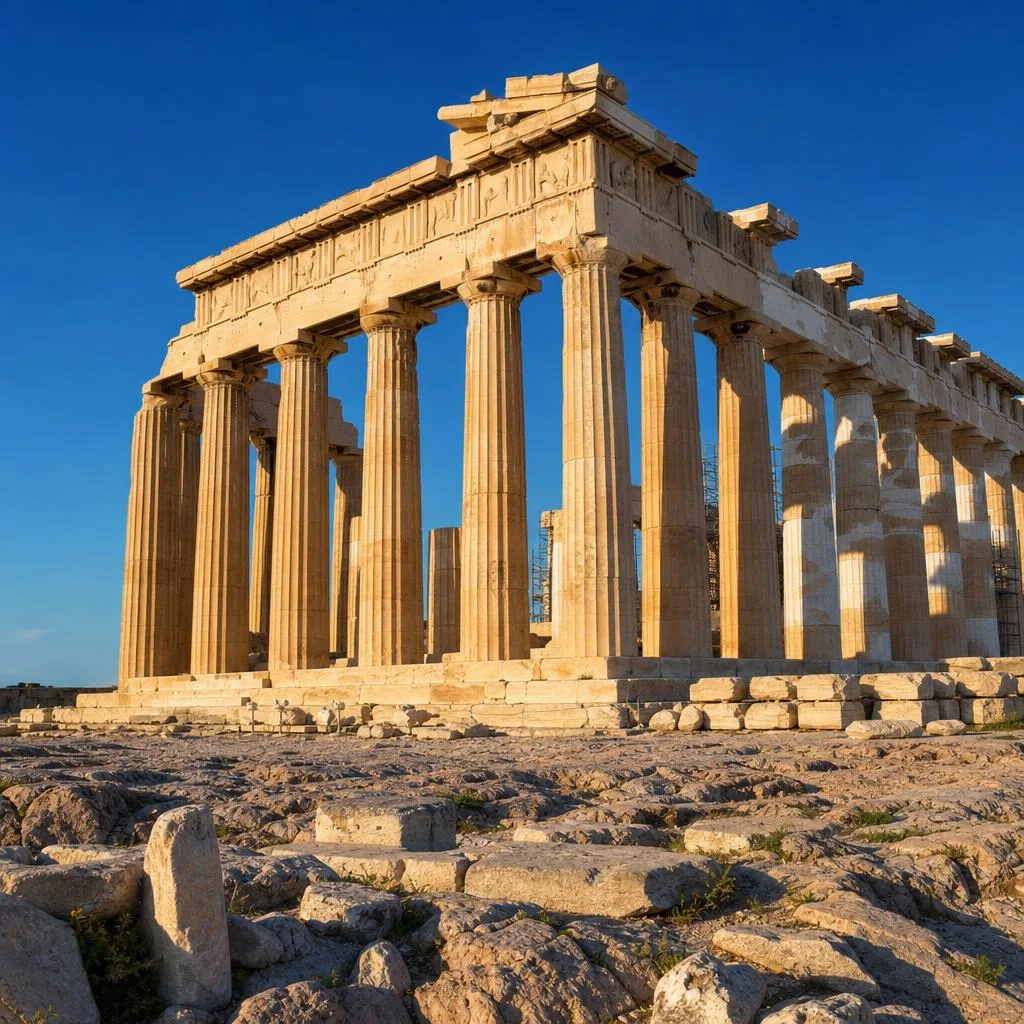
Can you visit the Acropolis and Acropolis Museum in one day?
Yes. For most first-time visitors, the strongest order is Acropolis first, Acropolis Museum second. See the buildings and the landscape while your attention and energy are fresh, then walk downhill to the museum and examine the sculpture and architectural details at close range.
This is a full but manageable day, not a quick two-hour combination. Allow around two hours on the Acropolis, 30 minutes for arrival and entry buffers, 10–15 minutes to walk from the south-side exit towards the museum, 90 minutes to two hours inside the museum, and at least an hour for lunch. With breaks and normal city walking, the two attractions occupy most of a morning and afternoon.
The order can be reversed. Museum-first works when the only museum ticket you can get is early, when rain or extreme heat makes the indoor collection the safer first move, or when your group needs a gentler start. Do not reverse the order simply to fit one more major sight into the same day.
The recommended route: Acropolis, lunch, museum
1. Book the Acropolis for the first practical timed slot
Choose an official Acropolis date and one-hour arrival window through the Hellenic Heritage ticket platform, or choose a guided option whose entry ticket and time are clearly included. The complete Acropolis guide covers the ticket categories, entrances, heat and access questions in more detail.
Do not book a slot that depends on a flight, a long-distance bus or a restaurant reservation. Aim to be near the correct entrance at least 30 minutes before the beginning of your window. That buffer covers the walk from the Metro, toilets and water, finding the gate, security and the possibility that your group moves more slowly over uneven surfaces.
Acropolis entry and Acropolis Museum entry are separate. You need a valid timed ticket for the archaeological site and a separate museum ticket or reservation for the museum. Check both institutions' current conditions before paying.
2. Spend about two hours on the rock
The Acropolis is more than the Parthenon. Move through the approach and the Propylaea, look at the Temple of Athena Nike, give the Parthenon time, then slow down at the Erechtheion and Caryatids. Leave room for the view, photographs and the walk across uneven, polished marble.
Two hours is a good target for a first visit that is interested but not obsessive. Add time if you use a guide, have mobility needs, or want to study the architecture. Do not stay so long that you reach the museum hungry and rushed.
Your ticket or tour instructions take priority when choosing the entrance. The south-side approach by Dionysiou Areopagitou is often the logical choice when the museum is next, especially for visitors coming from Koukaki or the pedestrian archaeological promenade. It is not guaranteed to be the fastest gate on a particular day, and queues change. Follow the entrance printed on your ticket.
3. Walk downhill to the Acropolis Museum
After leaving the site, follow the pedestrian route down towards Dionysiou Areopagitou and the Acropolis Museum. The walk itself is short, but the exit, crowds and crossings add uncertainty, so allow 10–15 minutes rather than promising an exact eight-minute transfer.
This is a useful reset. Drink water, use a restroom and decide whether to eat before entering. If you have a museum time slot, protect it with the same seriousness as the Acropolis window.
4. Eat before or after the museum
The cleanest schedule is usually a late lunch after the museum: Acropolis around 08:00–10:00, walk and reset, museum around 10:30–12:30, then lunch in Koukaki. This avoids a heavy meal before the uphill site and keeps the museum from becoming an afterthought.
If your museum ticket is at midday, eat a light breakfast before the Acropolis and take lunch afterwards. Koukaki is the most convenient area for a proper sit-down meal. Plaka and Monastiraki are alternatives if you want to continue walking, but do not schedule a table with no late-arrival margin.
5. Allow 90 minutes to two hours in the museum
Start with the galleries that explain what you have just seen: the Acropolis sculptures, the Caryatids and the Parthenon Gallery. Leave time for the excavations below the building and for the Archaic works rather than treating the top floor as the entire visit.
The museum is a separate institution with its own official visitor information, tickets and opening hours. Check the current last entry and any access notice for your date; do not assume the museum stays open as long as the archaeological site.
Why Acropolis first is usually better
The first order creates a useful visual sequence: you see the Parthenon and its setting in the open air, then encounter related sculpture and architectural fragments in controlled light. The museum is also downhill and easier on tired legs than the Acropolis, so it makes a calmer second half.
The museum-first order has one advantage: it can make the hill more legible before you climb. It is a good choice when a fixed museum reservation controls your day or when the forecast makes the exposed summit better later. It is not a magic way to avoid crowds or heat; check the actual site conditions and closing time.
A realistic one-day timetable
Use the times as a structure, not a promise. Your official entry windows and the day's opening conditions come first.
- 07:30–08:00: Reach the Acropolis area, collect water and find the correct entrance.
- 08:00–10:00: Acropolis visit, including the approach, major buildings, views and photographs.
- 10:00–10:15: Walk downhill and reset near the museum.
- 10:30–12:30: Acropolis Museum, with a focused route and time for the Parthenon Gallery.
- 12:30–14:00: Lunch and a proper sit-down break in Koukaki.
- 14:00 onward: Choose a low-pressure continuation: Koukaki, Plaka, a shaded café or an early return to your accommodation.
If your tickets begin later, shift the plan rather than squeezing out lunch. A 10:00 Acropolis entry usually pushes the museum and meal later; check both closing times before committing.
Tickets, entrances and buffers
The Acropolis uses timed entry. Check the official Hellenic Heritage platform for the current price, available dates, one-hour windows and ticket conditions. The Acropolis Museum's official page is the source for its own admission, opening hours and last-entry rules.
Keep these checks separate:
- Does the Acropolis price include archaeological-site admission?
- What date and one-hour arrival window are printed on the ticket?
- Which entrance or meeting point does the ticket or tour use?
- Does the museum ticket have a fixed time or only a date?
- Is the walking and security buffer large enough if the first visit runs over?
- What happens if heat, rain, a strike or a mobility issue changes the plan?
Do not rely on an old combined-ticket claim to cover the museum. The two attractions have separate institutions, tickets and operating conditions.
Fallback plans
The Acropolis ticket is sold out
Do not buy an unverified “skip-the-line” product simply because the official page looks inconvenient. Check later official slots, then compare a guided product only when the entry arrangement is explicit. If no suitable slot exists, visit the museum and spend the rest of the day in Koukaki, Plaka or the Ancient Agora, then keep the Acropolis for another morning.
The museum ticket is sold out
Keep the Acropolis visit and use the afternoon for lunch, a neighbourhood walk and a lower-pressure sight. The museum deserves a proper block; do not replace it with a rushed queue at closing time.
Heat makes the summit unsafe
Move the museum indoors first only if the official schedule allows it, then attempt the Acropolis in a cooler, confirmed slot. Carry water and sun protection, and do not treat the museum as a substitute for a safe site visit.
Rain or a temporary site restriction
Check the official announcement and your ticket conditions before travelling. A wet, slippery marble plateau is a poor place to force an itinerary. Use the museum, a meal and another indoor collection as the day's main plan, and reschedule the Acropolis if the ticket terms allow.
Someone in the group cannot manage the climb
Check current accessible routes and lift operation with the official site before booking. The museum is much easier to navigate than the ancient summit, but it should not be treated as a consolation prize. Give the group a real museum visit and decide separately whether the accessible Acropolis route is appropriate.
What not to add to this day
Avoid putting the National Archaeological Museum, Cape Sounion, a long food tour or another major timed attraction between the Acropolis and its museum. The National Archaeological Museum is an excellent separate half-day, not a sensible third anchor after two substantial Acropolis institutions.
For children, older visitors and anyone sensitive to heat, reduce the ambition further: two hours on the hill, 90 minutes in the museum, a long meal and one gentle neighbourhood walk is a successful day.
FAQ
Should I visit the Acropolis or the museum first?
Acropolis first is best for most visitors because the museum then explains the buildings and sculptures you have just seen. Choose museum first when its fixed ticket, the forecast or your group's needs make that order more practical.
How long do I need for both?
Plan at least five to six hours including arrival buffers, the two-hour Acropolis visit, the downhill walk, 90 minutes to two hours in the museum and a meal. A full day is more comfortable.
How far is the Acropolis Museum from the Acropolis?
The museum is downhill from the south-side route and the walk is short, but exits, crowds and crossings vary. Allow 10–15 minutes between the two visits, plus time to drink water and use a restroom.
Do I need separate tickets?
Yes. The Acropolis archaeological site and Acropolis Museum are separate institutions with separate tickets and entry rules. Confirm the current products and times on both official sites.
Can I visit both with one Acropolis timed ticket?
No. An Acropolis timed ticket gives access to the archaeological site, not automatically to the museum. Reserve or buy museum admission separately.
Is lunch included in a guided tour?
Do not assume it is. Check the tour description, duration, meeting point and inclusions. A guided Acropolis visit may end at the site or museum without providing a meal.
Is one day enough with children?
Yes, if you keep the route selective and protect breaks. Explain that the hill is exposed and uneven, choose the coolest realistic slot, then let the museum provide a slower second half.
What if my Acropolis time is in the afternoon?
Use the Acropolis afternoon timing guide and check whether the museum still has a suitable slot before booking. If the two calendars do not leave a real meal and transfer buffer, use separate days.
Continue planning
Use the complete Acropolis guide for the full ticket, entrance and site detail, and the Athens museums guide to compare the museum with other collections. For a wider trip, continue to the 2-day itinerary, 3-day itinerary or 4-day itinerary.
Follow along
More Athens, beyond the page
Daily places, views and ideas for your next visit.