
Free Things to Do in Athens (2026): The Definitive Guide
Athens has more free attractions than almost any European capital — ancient sites, mountain walks, markets, ceremonies, and beaches. The complete guide to what costs nothing.
What Actually Costs Nothing in Athens
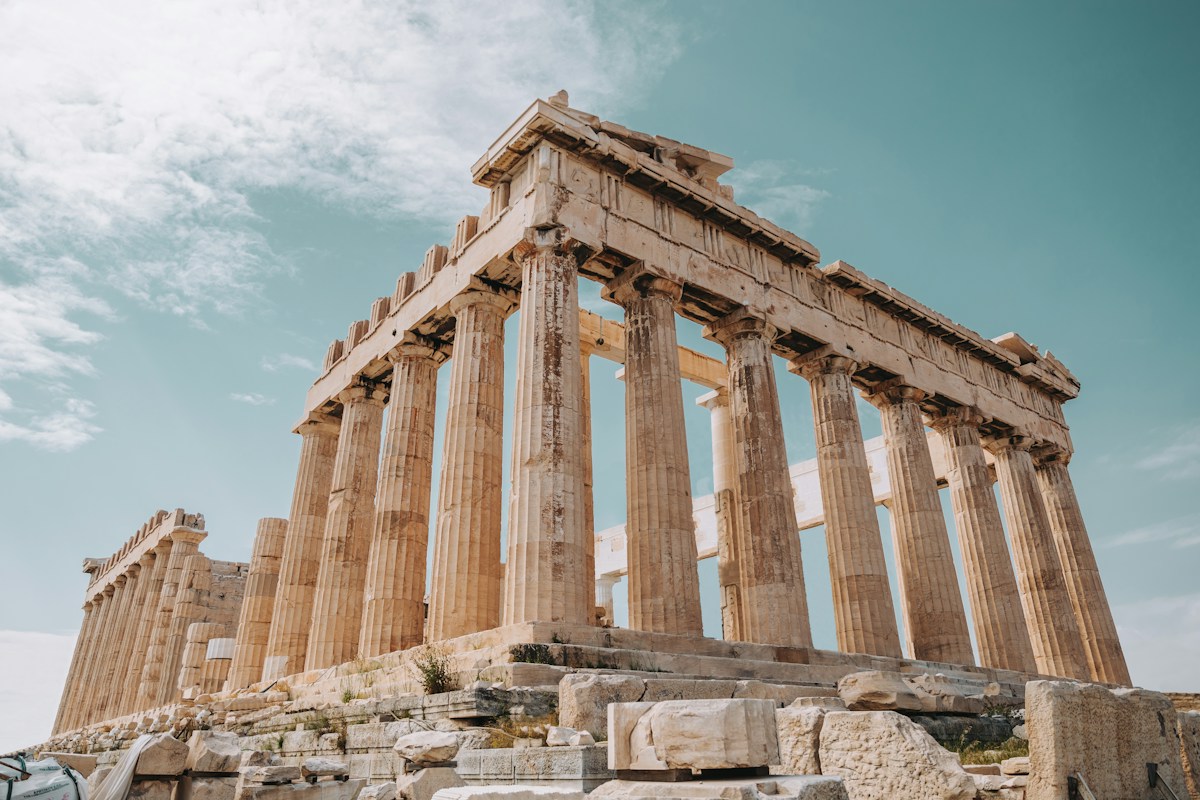
Athens is one of the most generous cities in Europe for free access. The national museum is free several times a year. The ancient site at the top of the city has free entry days. The city's best market is free to walk through. The hill with the best view of the Acropolis is a public park. This guide covers everything that costs nothing, honestly — including when it costs something on the days you go.
Free Entry Days at Major Ancient Sites
The Ministry of Culture sets free-entry days for state-run archaeological sites and museums, but the lists differ by site, so check the one you plan to visit. The dates below were checked on the official pages on 11 October 2026.
Free entry listed for the Acropolis, the Ancient Agora, the Temple of Olympian Zeus and the National Archaeological Museum:
- 6 March (the National Archaeological Museum links it to the memory of Melina Mercouri)
- 18 April — International Day for Monuments and Sites
- 18 May — International Museum Day
- Last weekend of September — European Heritage Days
- 28 October — National Holiday
- First and third Sunday of each month, 1 November to 31 March
The Acropolis Museum has its own list: 6 March, 25 March, 18 May and 28 October.
Important: the Acropolis and the National Archaeological Museum are closed on 25 March, 1 May and Orthodox Easter Sunday, so those are not free-entry days there. Free days are often busier; allow extra time.
Sites not checked: Hadrian's Library, Kerameikos and other state-run sites — confirm each on its official page.
What this means in practice: free entry on 28 October saves each person the standard adult Acropolis ticket (€30 at the last check). The Acropolis Museum is a separate institution with its own list.
The Changing of the Guard — Syntagma Square
Every hour on the hour, the Evzone guards change at the Tomb of the Unknown Soldier in front of the Greek Parliament. The ceremony lasts about 3 minutes and takes place 24 hours a day, 365 days a year. It is free to watch from the square.
The standard change is formal but brisk. The Sunday ceremonial change at 11am is the one worth timing your visit for: the full regiment, in traditional foustanella kilts and pom-pom shoes, marching down Vasilissis Sophias Avenue from the barracks to the Parliament. The route is lined with locals and tourists; the marching rhythm and the uniform — each component with a specific historical meaning — make it one of the stranger and more compelling public ceremonies in Europe.
Arrive 15 minutes before 11am on a Sunday to get a clear view near the tomb. The best position is directly in front of the iron railings on the Parliament side of the square.
Filopappou Hill and the Pnyx
The hill directly opposite the Acropolis — Filopappou, also written Philopappos — is a public park and one of the best free viewpoints in the city. The path from Apostolou Pavlou Street (the pedestrian walkway running west of the Acropolis) winds up through pine trees to the summit, where the Monument of Philopappos (a 2nd-century Roman funerary monument) sits at the top.
From Filopappou, the view of the Parthenon is face-on at roughly equal height — the view that appears in most serious photographs of the Acropolis. The Lycabettus Hill is visible behind, and on clear days the sea is visible to the south. Sunrise from Filopappou is worth an early morning.
The Pnyx is on the same hill complex, slightly lower and to the north: a semicircular rock terrace where the Athenian assembly met between 507 and 404 BC. Every free male Athenian citizen could speak and vote here. Pericles, Themistocles, and Demosthenes addressed the assembly from the bema (the speaker's rock) that is still visible. The site is open, unwalled, and free. Almost nobody goes there.
Allow 45 minutes to walk up from Apostolou Pavlou, spend time at the Pnyx, continue to the Filopappou summit, and descend. Bring water.
Monastiraki Flea Market
The Sunday flea market on Avyssinias Square in Monastiraki is free to enter and walk through. The permanent stalls around the square trade seven days a week; the Sunday market extends onto the surrounding streets and into Ifestou Street with temporary dealers.
What's sold: vintage furniture, 1960s–1980s cameras, silver jewellery (some antique, much reproduction), old books and maps, bootleg vinyl, military memorabilia, ironwork, and quantities of indeterminate objects that require excavation to assess. Prices are negotiable on almost everything.
The market functions on two levels: the permanent dealers around Avyssinias Square who have fixed prices and often know exactly what they have, and the Sunday overflow where provenance and value are murkier. The square itself — surrounded by neoclassical buildings, with the Acropolis visible above — is architecturally among the best in Athens.
When to go: Sunday, 7am–3pm. Before 10am for the best selection before the tourist wave; after 1pm for end-of-day discounting. The surrounding cafés at Avyssinias Square are open from early morning.
Varvakios Agora — The Central Market
The Varvakios Agora on Athinas Street, between Monastiraki and Omonia, is Athens' central food market. It is free to walk through and has no tourist-facing component: this is where Athens buys its fish, meat, and produce.
The fish hall — a covered iron-and-glass building from the late 19th century — has marble counters displaying the morning catch from around Greek waters. Red mullet, sea bream, octopus, fresh anchovies, sea urchins in season, swordfish steaks, and species with no English names. The fishmongers talk to each other, call across the hall, and demonstrate slicing techniques that have not changed significantly since Aristotle was buying his lunch nearby.
The meat hall across the street operates on the same principle: whole carcasses, offal sections, lamb heads, and the specific smell that high-quality meat in a working market produces. Not for the faint-hearted, genuinely for anyone interested in where food comes from.
Best time: Monday to Saturday, 7am–2pm. Closed Sunday. Quieter on Tuesday and Wednesday; busiest and best-stocked on Friday.
Street Art — Exarcheia and Psyrri
Athens has one of the most significant urban mural scenes in Europe, concentrated in Exarcheia (the neighbourhood northwest of the National Archaeological Museum) and Psyrri (between Monastiraki and Thissio).
Exarcheia has accumulated murals since the 2008 economic crisis, when the neighbourhood became a focal point for political art. The walls around Exarcheia Square, along Stournari Street, and on the side streets running east toward Kallidromiou Street carry work ranging from stencilled political commentary to large-format figurative paintings. The neighbourhood is Athens' most politically charged; the art reflects that directly.
Psyrri is the more accessible gallery: large-format murals visible from the main streets, less politically loaded, with more internationally recognised contributors. The wall along Sarri Street and the lanes around Agion Anargyron Square are good starting points.
Both neighbourhoods are best walked in the afternoon. Neither requires a guide — the art is on public streets and walls, visible to anyone who walks through. Viator's street art tour ($39) covers both areas with a guide who knows the artists and the context behind specific works.
National Garden — The City's Free Park
The National Garden occupies 15.5 hectares directly behind the Greek Parliament, between Syntagma Square and the Zappeion. It was planted as the Royal Garden in the 1840s under Queen Amalia. Entry is free.
What the garden contains: a small zoo (ducks, peacocks, deer — genuinely free, genuinely small), a children's playground, a café, ancient remains of the Roman-era Lyceum embedded in the pathways, and substantial shade trees — rare and valuable in an Athenian summer. A tortoise population has colonised several sections and moves through the undergrowth with complete disregard for the schedule.
The garden connects to the Zappeion — a neoclassical exhibition hall surrounded by its own pine-shaded promenade and open-air café. On Sunday mornings, Athenian families walk circuits of the Zappeion paths with the same regularity that northern Europeans go to parks in spring.
Practical: Open daily from dawn to dusk. Entry via Amalias Avenue (Syntagma side) or Irodou Attikou Street (Evangelismos side).
Lycabettus Hill — The Best Free View in Athens
Lycabettus is the pine-covered limestone peak that rises 277 metres above the city in the Kolonaki neighbourhood. Walking to the top is free. The cable car costs €7 return; the walk takes 20–25 minutes from the base.
The view from the top covers the entire Attica basin: the Acropolis directly below to the south, the urban grid running to the sea, Piraeus and the Saronic Gulf on clear days, and the mountains of the Peloponnese beyond. At night, the city lights below and the lit Acropolis against the dark are the standard by which all other Athens views are measured.
The summit has a small white church (Agios Georgios, open), a café-bar (overpriced but positioned perfectly), and enough space to sit on the rocks above the city and do nothing for as long as required.
Best approach: Enter the path on Aristippou Street in Kolonaki. The path winds up through pine trees and is clear throughout. Take water. Best time: An hour before sunset in any season.
Free Beaches Near Athens
The Athens Riviera — the coastal strip running south from Glyfada to Cape Sounion — has a mix of pay-entry beach clubs and free public beaches. The free ones:
- Alimos Beach (Kalamaki): A long, sandy public beach with free access, 30 minutes from central Athens on the tram. Gets crowded in midsummer but uncrowded in May, September, and October.
- Varkiza Beach: Public section at the north end of the main Varkiza beach strip, free entry, 40 minutes from Athens by bus.
- Schinias Beach (Marathon): 45km from Athens, a National Park beach with dunes and pine trees directly behind the sand. One of the finest beaches in Attica. Free entry, largely uncrowded even in August.
The pay beach clubs along the Riviera (Vouliagmeni, Asteria, Akanthus) charge €10–30 per person but provide sunbeds, showers, and restaurant service. Worth it on a serious beach day; not necessary if you just want sea.
Practical Notes
- Free walking tours: The tip-based walking tours (book through Viator or directly with Athens Walking Tours) are effectively free and genuinely good — they cover the Plaka, Monastiraki, and the ancient centre in 3 hours with a knowledgeable local guide. Book in advance; they are more popular than many paid tours.
- Museum photo policies: Most state museums allow photography without flash for personal use, free of charge. The rule changes occasionally — check at the door.
- Water: Athens tap water is drinkable. Carrying a refillable bottle means you're not paying €2.50 for bottled water every 90 minutes.
- Sunday timing: The changing of the guard, Monastiraki market, and Lycabettus are best combined on a single Sunday: market before 11am, guard ceremony at 11am, late lunch in Monastiraki, Lycabettus at sunset.
Follow along
More Athens, beyond the page
Daily places, views and ideas for your next visit.
Plan your visit
Choose the right way in
Some of these are affiliate links, so Todo Athens may earn a commission if you book. They are independent booking options: check what each price includes, especially admission, meeting point, group size and cancellation terms.
Book This Experience
Vetted options across every price point and travel style.
Athens Free Walking Tour — City Centre
A 3-hour tip-based walking tour through the Plaka, Monastiraki, and the ancient centre — the best free introduction to Athens available. Book in advance; they fill up.
Athens Street Food Tour — Monastiraki & Varvakios Market
If you want to go deeper than the market stalls — a guided food tour through Monastiraki and the Varvakios market, with 7–10 tastings included in the price.
Acropolis Guided Tour — Skip the Line
The Acropolis entry is free on specific dates. On all other days, skip-the-line guided tickets from Tiqets are the most efficient way in.
Athens Highlights & Street Art Tour
Takes in the neighbourhoods this guide covers on foot — Exarcheia murals, Psyrri lanes, Monastiraki — with a guide who knows the stories behind the walls.